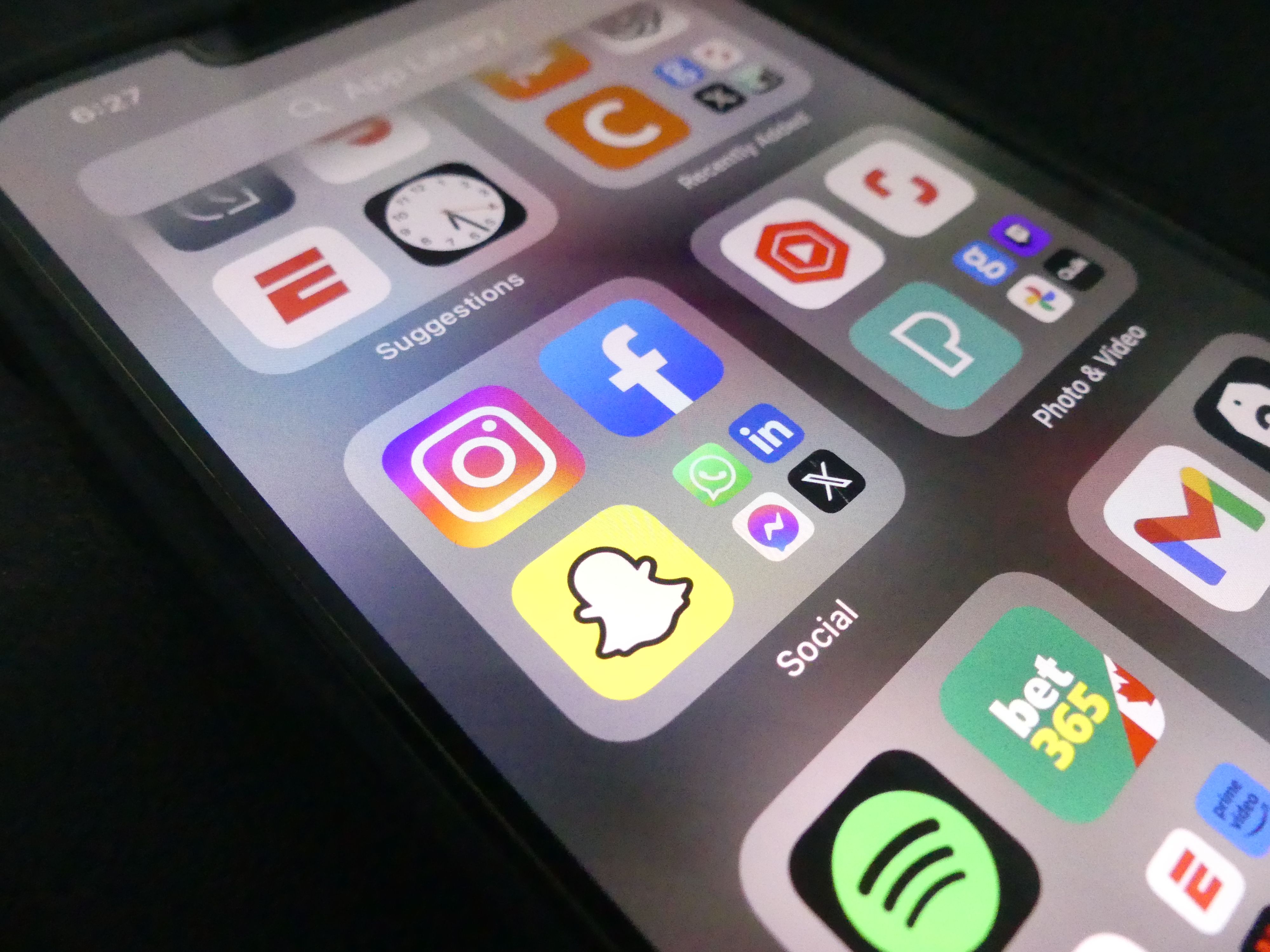
Social media has transformed the way content is distributed in the modern digital ecosystem. What was once controlled by publishers, broadcasters, and paid placements is now driven by platforms where audiences actively discover, interact with, and share content. For brands, creators, and media companies, social media has become the most important pillar of content distribution.
Unlike traditional distribution channels, social media combines reach, speed, targeting, engagement, and feedback into a single system. This makes it uniquely powerful for distributing content efficiently and at scale.
The Shift From Traditional to Social Distribution
Historically, content distribution depended on linear channels such as newspapers, television, radio, and later websites. These channels required significant budgets, offered limited audience feedback, and relied heavily on gatekeepers.
Social media changed this model by enabling instant publishing and direct access to audiences. Content success is now driven by relevance and engagement rather than placement alone.
- Instant publishing with minimal barriers
- Direct access to global audiences
- Algorithm-based content discovery
- Two-way interaction between brands and users
Social Media as a Content Discovery Engine
Today, social platforms function as discovery engines alongside search. Many users find articles, videos, and brands directly through their feeds rather than visiting websites intentionally.
Personalized algorithms analyze user behavior to surface content that aligns with interests, making discovery continuous and passive.
- Algorithmic recommendations
- Peer sharing and reposting
- Trending topics and hashtags
- Platform-native search behavior
Reach and Viral Scalability
No other channel allows content to scale as quickly as social media. A single post can reach thousands or even millions of people within hours if it resonates with the audience.
Unlike traditional distribution, social reach is not linear. Engagement triggers amplification, creating exponential visibility.
- Follower network effects
- Algorithmic amplification
- Cross-platform sharing
- Low cost per additional impression
Precision Targeting and Relevance
Social media platforms collect behavioral and interest-based data that allows content to be distributed to the most relevant audiences.
This precision ensures that content reaches users who are most likely to engage, rather than broadcasting to everyone.
- Interest-based audience targeting
- Geographic and language filters
- Retargeting engaged users
- Audience segmentation testing
Real-Time Engagement and Feedback
Social media turns content distribution into an interactive process. Audiences respond instantly through likes, comments, shares, and saves.
This immediate feedback allows brands to understand what works and refine strategies in real time.
- Instant performance insights
- Faster content optimization
- Community-driven conversations
- Stronger audience relationships
Platform-Native Content Formats
Each social platform supports formats designed to maximize engagement and sharing. Content that aligns with these formats performs better in distribution.
- Short-form vertical videos
- Long-form video and live streams
- Image carousels and infographics
- Stories and ephemeral content
- Text threads and micro-posts
Algorithmic Amplification
Social algorithms prioritize content that generates early engagement. Strong initial performance increases the likelihood of broader distribution.
- Watch time and retention
- Likes, comments, and shares
- Save and revisit signals
- Posting consistency
Cost Efficiency and Measurability
Compared to traditional media channels, social media distribution is significantly more cost-efficient. Even paid promotion allows granular budget control and precise measurement.
- Lower entry and experimentation costs
- Clear analytics and attribution
- Rapid testing and iteration
- Scalable investment options
Supporting Multi-Channel Distribution
Social media strengthens all other distribution channels by acting as a central hub that feeds traffic to websites, apps, newsletters, and video platforms.
- Content previews and teasers
- Evergreen content resurfacing
- Cross-channel promotion
- Audience migration to owned platforms
Trust, Authenticity, and Brand Connection
Social media humanizes brands. Consistent interaction, transparency, and community participation build trust that encourages sharing and loyalty.
- Authentic communication
- Direct audience interaction
- Behind-the-scenes storytelling
- User-generated content engagement
Challenges to Manage
While powerful, social media distribution requires strategic discipline. Platform dependency, algorithm changes, and content saturation must be managed carefully.
- Algorithm volatility
- Rising content competition
- Platform reliance risks
- Maintaining quality at scale
Why Social Media Is Foundational to Distribution
As attention becomes fragmented across platforms, social media remains the most effective way to reach audiences where they already spend time. It combines discovery, engagement, feedback, and amplification into a single ecosystem.
For modern content distribution, social media is not optional. It is foundational.
How RoneeMedia Supports Social Content Distribution
RoneeMedia helps brands and publishers design structured, platform-aware content distribution strategies focused on sustainable reach and audience trust.
If you want to strengthen your content distribution through social media with a long-term, media-first approach, RoneeMedia is ready to support your growth.